

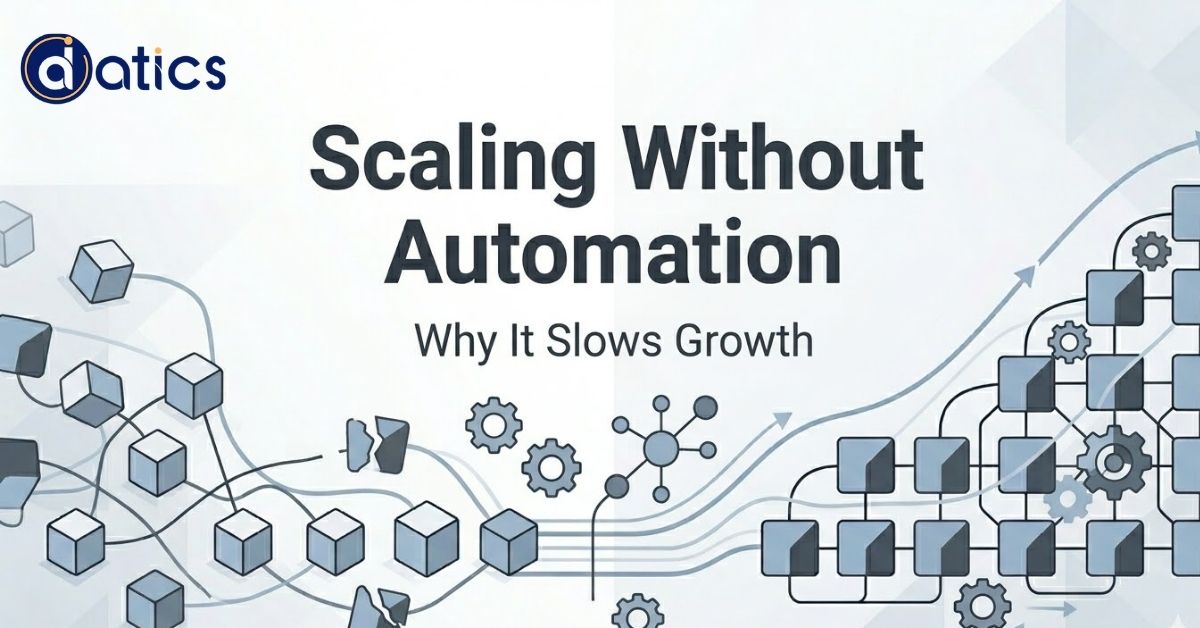
Scaling is a critical milestone for any growing business, yet many startups and businesses face significant challenges when it comes to scaling effectively. Growth isn’t simply about getting bigger; it’s about growing smartly and sustainably. Scaling without automation can introduce unnecessary complexity, reduce efficiency, and eventually slow growth.
For beginners, it’s easy to assume that simply increasing output will lead to success. However, scaling requires more than just doing more work. Without automation, processes become cumbersome, and inefficiencies compound as teams grow. The ability to scale successfully is often defined by how well systems are automated to keep up with increased demand.
The Role of Automation in Scaling Digital Products
In digital product development, scaling is a journey that starts with ensuring your systems, processes, and workflows can handle increasing demands without losing quality. Automation services play a crucial role in this process by streamlining repetitive tasks, optimizing workflows, and ensuring consistency.
Automation ensures that as more users or data are added to your product, it can scale smoothly without the need for significant increases in manpower or resources. Rather than relying on manual intervention, automation ensures efficiency at scale, improving productivity and allowing teams to focus on high-value tasks rather than operational bottlenecks.
The Risks of Scaling Without Automation
Scaling without automation can lead to numerous problems. Here are some common risks that businesses face when they try to scale their operations manually:
- Increased Operational Costs: Without automation, you may need to hire more staff to handle the increasing demand, which leads to rising operational costs. This makes scaling expensive and unsustainable.
- Decreased Efficiency: Manual tasks, such as data entry, reporting, and customer support, become increasingly time-consuming and prone to error as the business grows. Automation can handle these tasks quickly and accurately.
- Inconsistent Customer Experience: As businesses scale, the customer experience can suffer if it’s managed manually. Automation ensures that your customers receive consistent and timely service, regardless of how much the business grows.
- Inability to Adapt Quickly: Scaling without automation means you will likely be bogged down by slow manual processes. Automation allows businesses to adapt and respond to changes quickly, improving agility in the marketplace.
Understanding the importance of How To Scale Digital Products is crucial to mitigating these risks. Automation empowers businesses to scale without compromising quality or efficiency.
How Automation Helps Businesses Scale Without Losing Quality
Automation allows businesses to maintain or even improve the quality of their products and services as they scale. Here’s how it works:
- Efficient Processes: Automation helps streamline workflows by eliminating repetitive tasks. This frees up time for employees to focus on more strategic and creative tasks that drive growth.
- Scalability: As businesses grow, manual processes become increasingly difficult to manage. Automation ensures that systems can scale seamlessly to handle the increased volume of work without any additional strain on resources.
- Data-Driven Decisions: Automated systems can collect and analyze data in real-time, allowing businesses to make informed decisions based on accurate, up-to-date information. This data-driven approach improves decision-making and minimizes guesswork.
For businesses focused on scaling, Datics Solutions LLC emphasizes the role of automation in ensuring smooth growth without compromising operational integrity or customer satisfaction.
When Is the Right Time to Invest in Automation?
Investing in automation early is crucial for scaling efficiently. Many businesses wait too long to adopt automation, only to find themselves struggling to keep up as growth accelerates. Here’s when to start thinking about automation:
- When Repetitive Tasks Dominate: If your team spends significant time on repetitive, manual tasks, it’s time to consider automation. These tasks are prime candidates for automation, which can free up valuable resources for strategic work.
- When Quality Starts to Suffer: If scaling begins to compromise the quality of your product or service, it’s a clear sign that automation is needed. Automation ensures that the product maintains its standards as it grows.
- When You Want to Maintain Flexibility: Automation allows businesses to scale while remaining flexible and agile. It removes bottlenecks and allows you to focus on what matters most.
How Automation Supports Long-Term Business Growth
Automation is not just about solving immediate scalability problems; it’s about setting the stage for long-term growth. As a business scales, the complexity of managing its operations increases. Automation provides the systems and processes needed to handle this complexity.
By adopting automation early on, businesses position themselves for sustained growth. It allows companies to scale efficiently, maintain consistency, and deliver quality, even as demands increase.
Conclusion
Scaling without automation is like trying to run a marathon while carrying a heavy load. At first, it might seem manageable, but over time, it slows you down. By investing in automation, businesses can scale efficiently, reduce costs, and ensure consistent quality.
For beginners, understanding the role of automation in scaling is essential. It is not just a tool for large businesses; automation empowers small and medium-sized businesses to grow in a sustainable and smart way. When used correctly, automation is the key to turning short-term growth into long-term success.
FAQs
What is business automation?
Business automation refers to using technology to perform tasks or workflows automatically, reducing the need for manual intervention.
How does automation help businesses scale?
Automation enables businesses to manage increasing demands without adding significant resources, reducing costs and improving efficiency.
When should businesses start using automation?
Businesses should start automating when repetitive tasks consume significant time or when scaling operations becomes challenging.
What are the risks of scaling without automation?
Scaling without automation can lead to inefficiencies, increased operational costs, and inconsistent customer experiences.
Can automation improve customer satisfaction?
Yes, automation helps deliver consistent and timely service to customers, improving satisfaction and loyalty.