

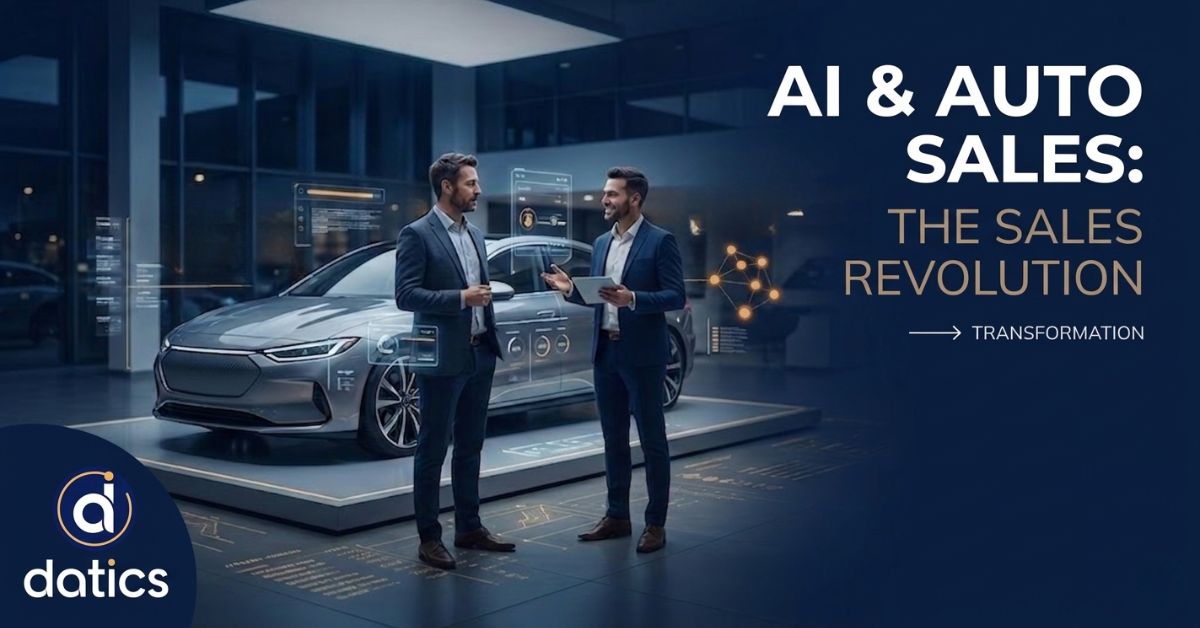
The traditional showroom experience is undergoing a profound digital renovation. In 2026, the success of an automotive dealership is no longer measured solely by the size of the lot or the charisma of the sales floor. Instead, profitability is increasingly driven by the “digital front door,” the sophisticated software layer that manages every interaction from the first search query to the final service appointment.
Artificial intelligence has moved from a futuristic concept to a functional necessity. Modern retailers are utilizing intelligent systems to decode buyer intent, automate tedious compliance workflows, and provide a level of personalization that was previously impossible at scale. This shift is not just about efficiency; it is about meeting the expectations of a consumer who values speed, transparency, and consistency above all else.
The Evolution of Lead Engagement and CRM
For years, the “lead response gap” has been the silent killer of dealership margins. A customer who submits an inquiry at 9:00 PM on a Sunday often expects an immediate response, yet many stores struggle to follow up before Monday afternoon. In 2026, AI-driven customer relationship management (CRM) tools will have effectively eliminated this friction. These platforms use conversational AI to engage prospects instantly, answering technical questions about inventory or financing options 24/7.
Beyond simple response times, these systems are now performing “intent scoring.” By analyzing a user’s browsing behavior, such as the specific trims they view or the time spent on a trade-in calculator, the software can prioritize leads for the sales team. This allows representatives to focus their energy on high-intent buyers while the AI continues to nurture mid-funnel prospects. To achieve this level of integration, many forward-thinking groups are partnering with a specialized automotive dealership software company in the USA to build unified data models that bridge the gap between digital marketing and the showroom floor.
Equity Mining and Proactive Retention
The most valuable data an automotive dealership owns is sitting in its existing database. “Equity mining” has evolved from a manual task into an automated powerhouse. AI algorithms now scan a dealership’s DMS (Dealer Management System) in real-time, identifying customers who are in a positive equity position or whose leases are nearing expiration.
When the system finds a match, it doesn’t just send a generic “we want your car” email. It generates a personalized offer based on the customer’s specific vehicle, current market demand, and available incentives. At Datics Solutions LLC, we have observed that this data-driven approach transforms a cold sales pitch into a helpful service, significantly increasing retention rates and ensuring a steady supply of high-quality pre-owned inventory.
Streamlining the F&I Process with Intelligent Automation
The Finance and Insurance (F&I) office is often cited as the biggest pain point for car buyers due to the sheer volume of paperwork and waiting time. In 2026, smart automation is redesigning this experience. AI-powered fraud detection tools can now verify identities and screen for synthetic identity risks in seconds, rather than hours.
Automated compliance checks ensure that every deal is audit-ready before the customer even steps into the office. By integrating the desking and funding process into a single digital workflow, software reduces manual entry errors and speeds up the “time-to-fund.” This efficiency doesn’t just benefit the dealership’s cash flow; it provides a “Prime-like” speed that customers have come to expect from every other digital transaction in their lives.
The Future: Immersive Demonstrations and Virtual Showrooms
The “test drive” is also being reimagined through software. Augmented Reality (AR) and Virtual Reality (VR) integrations now allow customers to explore a 3D model of a vehicle from their living room. They can change material finishes, seating arrangements, and tech features in real-time.
These immersive tools create an emotional connection with the vehicle before the customer ever visits the store. For the automotive dealership, this means that the customers who do show up are better informed and closer to a final decision. By treating software as a strategic layer across the entire customer lifecycle, modern dealers are creating a more resilient, profitable, and customer-centric business model that is built to thrive in the decade ahead.
Frequently Asked Questions
How does AI lead scoring actually help a sales team on a day-to-day basis?
AI lead scoring analyzes hundreds of data points such as frequency of website visits, specific vehicles viewed, and engagement with previous emails to rank leads by their likelihood to buy. This helps a sales team prioritize their “hot” leads during the busiest parts of the day. Instead of wasting time calling every single inquiry in the order they arrived, they can focus on the prospects the system identifies as being in the final decision-making phase, significantly increasing their closing ratio.
What is the difference between a traditional CRM and an AI-powered automotive CRM?
A traditional CRM acts as a digital filing cabinet, storing customer contact info and notes that must be manually updated by staff. An AI-powered CRM is proactive; it automatically captures leads from all sources (social media, OEM portals, and walk-ins), initiates instant follow-up via text or email, and alerts managers to “hot cases” where a customer might be frustrated. It actively moves the deal forward rather than just recording that a deal exists.
Is the data collected by these dealership software systems secure?
In 2026, top-tier automotive software is built with enterprise-grade security protocols, including multi-factor authentication and end-to-end encryption. Because dealerships handle sensitive financial information, these systems must comply with strict federal regulations and data privacy laws. Professional developers prioritize “data sovereignty,” ensuring that the dealership’s customer data is protected from external breaches and is not shared with competitors or unauthorized third parties.
Can small independent dealerships benefit from this technology, or is it only for large groups?
While large groups often have more data to mine, small independent dealerships can see a massive impact from basic automation. For a smaller team, an AI “digital receptionist” that handles after-hours inquiries or schedules service appointments can be a game-changer. It ensures that the dealership remains “open” 24/7 without the cost of hiring additional staff, allowing the small team to compete with much larger rivals by offering the same speed of response.
How long does it take to implement a new AI-driven software system at an automotive dealership?
A standard implementation typically takes between 4 and 8 weeks, depending on the complexity of the integrations with the existing DMS. The process usually involves data migration, setting up automated workflows, and training the staff. The most successful rollouts are phased, starting with core functions like lead capture and pipeline tracking before moving into more advanced features like equity mining or automated F&I workflows to ensure the team isn’t overwhelmed.