
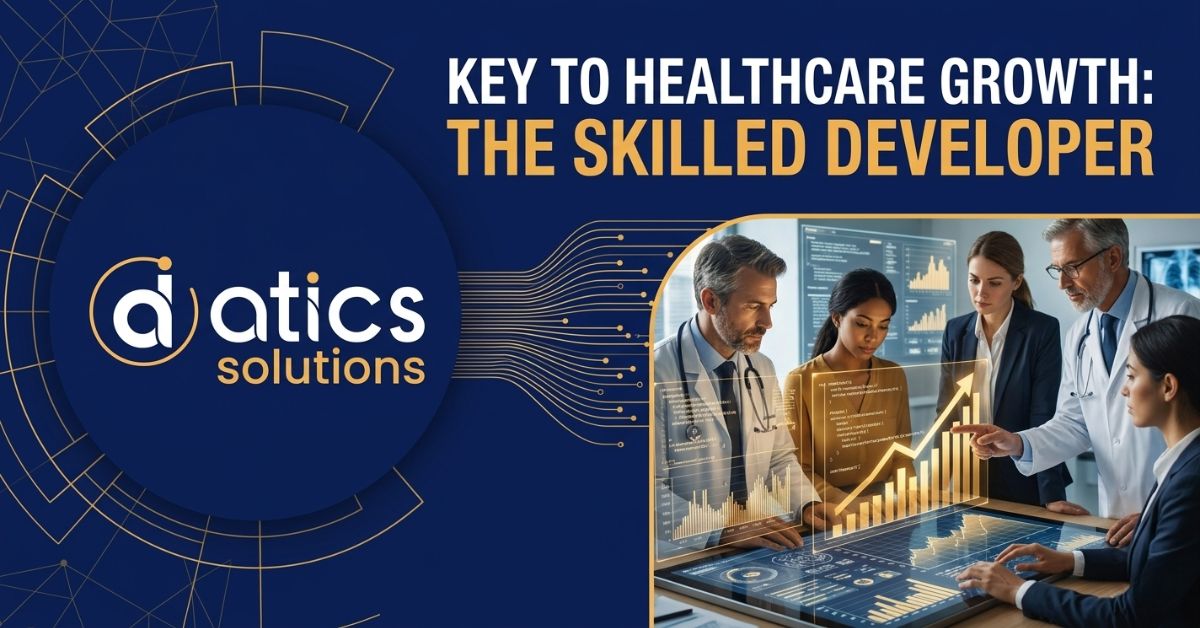
The landscape of modern medicine is no longer defined solely by the quality of stethoscopes or surgical tools, but by the strength of the digital infrastructure supporting them. In 2026, the Healthcare industry in the United States is facing a dual challenge: an aging population requiring more intensive support and an urgent need to reduce administrative burnout among practitioners. The solution is found in the transition from fragmented, legacy systems to integrated, intelligent software environments.
Strategic digital transformation is doing more than just digitizing paper records. It is creating a proactive ecosystem where data flows seamlessly between patients, clinicians, and administrators. By automating the mundane and optimizing the complex, software is allowing medical professionals to return to their primary mission—providing focused, empathetic care to those who need it most.
Modernizing Clinical Workflows with Intelligent Systems
For decades, hospital efficiency was hampered by “siloed” data. Information sat in different departments, requiring manual entry and increasing the risk of human error. Today, modern interoperability standards have paved the way for unified platforms that offer a 360-degree view of a patient’s journey. This connectivity ensures that whether a patient is in the emergency room or a specialist’s office, their history, allergies, and current medications are instantly accessible.
The implementation of these systems requires a deep understanding of both medical compliance and technical scalability. Many providers are now collaborating with a specialized healthcare software development company in the USA to build HIPAA-compliant tools that integrate directly with existing Electronic Health Records (EHR). These custom solutions are designed to reduce “click fatigue,” allowing doctors to spend less time on documentation and more time on diagnosis.
Improving Patient Outcomes Through Predictive Analytics
One of the most significant shifts in Healthcare is the move from reactive treatment to preventive wellness. Predictive analytics, powered by machine learning, can now analyze vast datasets to identify patients at high risk of readmission or chronic complications before they happen. For example, remote monitoring software can alert a care team the moment a patient’s vitals deviate from a healthy baseline, enabling early intervention.
This level of precision medicine is not just about the technology itself, but about the trust it builds between the provider and the patient. When a hospital uses data to personalize a recovery plan, the patient feels seen and supported throughout their journey. At Datics Solutions LLC, we believe that the true measure of a software’s success in medicine is its ability to remain invisible while facilitating better health outcomes.
Balancing Administrative Efficiency and Data Security
While patient care is the heart of any medical facility, the administrative “back-office” is its nervous system. Scheduling, billing, and resource management are notoriously complex in the American medical system. Modern software solutions are now automating these processes, using AI to manage staff shifts based on predicted patient volume and streamlining insurance claims to reduce payment delays.
However, as hospitals become more digital, the importance of cybersecurity cannot be overstated. Patient data is some of the most sensitive information in existence. Robust software architecture must include end-to-end encryption, multi-factor authentication, and regular audits to stay ahead of evolving threats. A secure system is a trustworthy system, and in medicine, trust is the most valuable currency.
The Future of Telehealth and Remote Consultation
Telemedicine has evolved from a pandemic-era necessity into a permanent pillar of the Healthcare delivery model. In 2026, virtual care is no longer just a video call; it is a comprehensive diagnostic experience. Integrated peripheral devices allow doctors to listen to heartbeats or view skin conditions in high definition from hundreds of miles away.
This democratization of access is particularly vital for rural communities and those with mobility challenges. By breaking down geographic barriers, software is ensuring that high-quality medical expertise is available to everyone, regardless of their zip code. The future of the industry is a hybrid model where physical and digital care complement each other to create a more resilient and accessible system for all.
Frequently Asked Questions
How does custom software development help in maintaining HIPAA compliance?
Custom development ensures that every feature, from data storage to user access levels, is built from the ground up with the Health Insurance Portability and Accountability Act in mind. Unlike generic “off-the-shelf” software, custom solutions allow for specific encryption protocols, detailed audit logs, and secure data transmission methods that are tailored to your facility’s unique workflows. This reduces the risk of accidental leaks and ensures that patient privacy is baked into the code rather than added as an afterthought.
What is “Interoperability” and why is it essential for modern hospital software?
Interoperability refers to the ability of different software systems and devices to communicate and exchange data accurately and securely. In a Healthcare setting, this means your EHR, laboratory systems, and pharmacy databases can all “talk” to each other. This is essential because it eliminates the need for manual data entry, which is the leading cause of clinical errors. It ensures that every member of a care team has access to the same, up-to-date information in real-time.
Can software really reduce the burnout experienced by doctors and nurses?
Yes, by addressing the “administrative burden” that plagues the industry. Modern software uses Natural Language Processing (NLP) to assist with medical transcription and automated coding, which drastically reduces the time clinicians spend on paperwork. By streamlining scheduling and automating routine patient follow-ups, software allows staff to focus on clinical decision-making. When technology handles the repetitive, non-clinical tasks, medical professionals can focus on the human aspects of their work.
How does predictive analytics change the way hospitals manage their resources?
Predictive analytics uses historical data to forecast future trends, such as peak emergency room hours or seasonal spikes in specific illnesses. By analyzing this data, hospital administrators can optimize staffing levels, ensuring there are enough nurses on duty during high-traffic periods without overspending during slow times. It also helps in supply chain management, ensuring that life-saving equipment and medications are stocked based on anticipated needs rather than just past averages.
Is telehealth secure enough for sensitive mental health or chronic care discussions?
In 2026, telehealth platforms will utilize the same level of security as high-end financial institutions. Features like peer-to-peer encryption mean that the video and audio data are never stored on a server where they could be accessed by unauthorized parties. When built by experts, these platforms provide a “private room” environment that meets all federal privacy standards, making them a safe and effective space for even the most sensitive consultations.